
In my travels, I’ve learned there are three things a one encounters which will quickly either delight or confound: language, food and history.
In England, I was confounded by the history (oh so dense) but delighted by the language (so many intriguing accents to hear and learn to identify) and the food (unexpectedly fantastic).
In Iceland, I was confounded by the language (hard to read, pronounce or find immersion in, as everyone speaks English) but delighted by the food (beyond amazing) and history (I learned so much during my trips there regarding the original Viking settlement of the country, early culture and modern developments).
In Ireland, I was confounded by all three. (What the heck are those people saying? Is that English? Why doesn’t this sound like Irish accents from the movies? And where are the sheep? And why is the history here so dark and painful but the music so joyous?) Over time, I learned to appreciate, even delight in, a familiarity with all three. Ireland’s complicated history revealed itself to me as rich with lessons about politics, power, persistence, perspective and grit. The food (and beer) was fantastic; the easy banter among the Irish full of good cheer and wry wit.
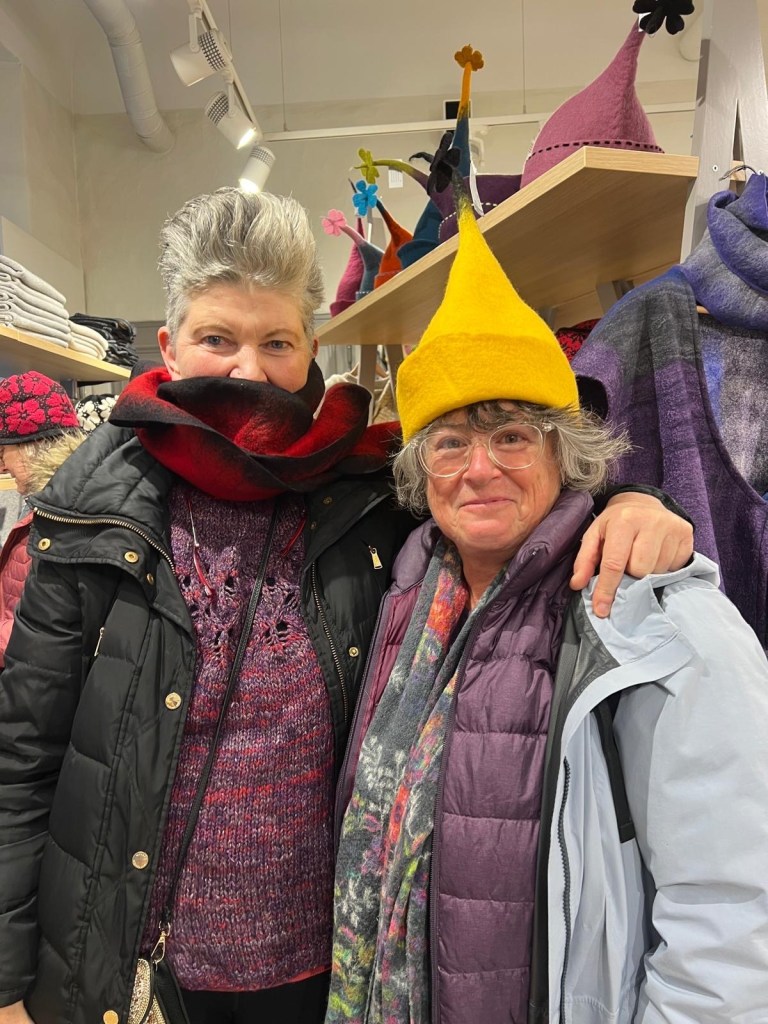
Arriving in Estonia, I find myself a bit confounded by the language — and that has an effect on the other two. Keep in mind that for anyone aged 50 or older, their second language after Estonian would have been Russian, as they grew up with Estonia as part of the Soviet Union. So people we are meeting that are masters in their craft, local guides and museum docents or historians in any given setting may not have the English skills we’ve come to expect during travel. It makes for a lot of extra effort as you winnow your way through strong accents and broken, partial sentences. At the same time, it’s a lovely reminder that travel is a challenge and that we are required to make some effort as we venture out into the world. We – or no, let me change that to I – have become lazy in my humility as a traveler.
With that preamble, I’ll tell you about the last 24 hours or so. Then I’ll break for the next 24 hours and catch you up. I mention language so early because this is the first time since a brief visit in St Petersburg in 2019 that I’ve felt so uncertain of myself. It makes traveling with an organized tour a fantastic thing. I don’t have to find my way, make plans or attempt to distill history and culture on my own. Our lead guide and tour planner, Sydney Morrell, has done that work for me. In appreciation for all her efforts plus her gentle, reassuring presence and expressions of enthusiasm for all she is about to share with us, she gets a hug from this kooky gal.
Our day started with a perfect example of why I love to travel in Europe: hotel breakfasts. Put aside your experience of American hotel “breakfasts” of cold cereal, muffins in plastic and individual containers of overly sweetened yoghurt and soupy scrambled eggs. Breakfast in European hotels is a delight. Think fresh, varied, REAL (as in food made from food rather than chemicals) and nutritious.
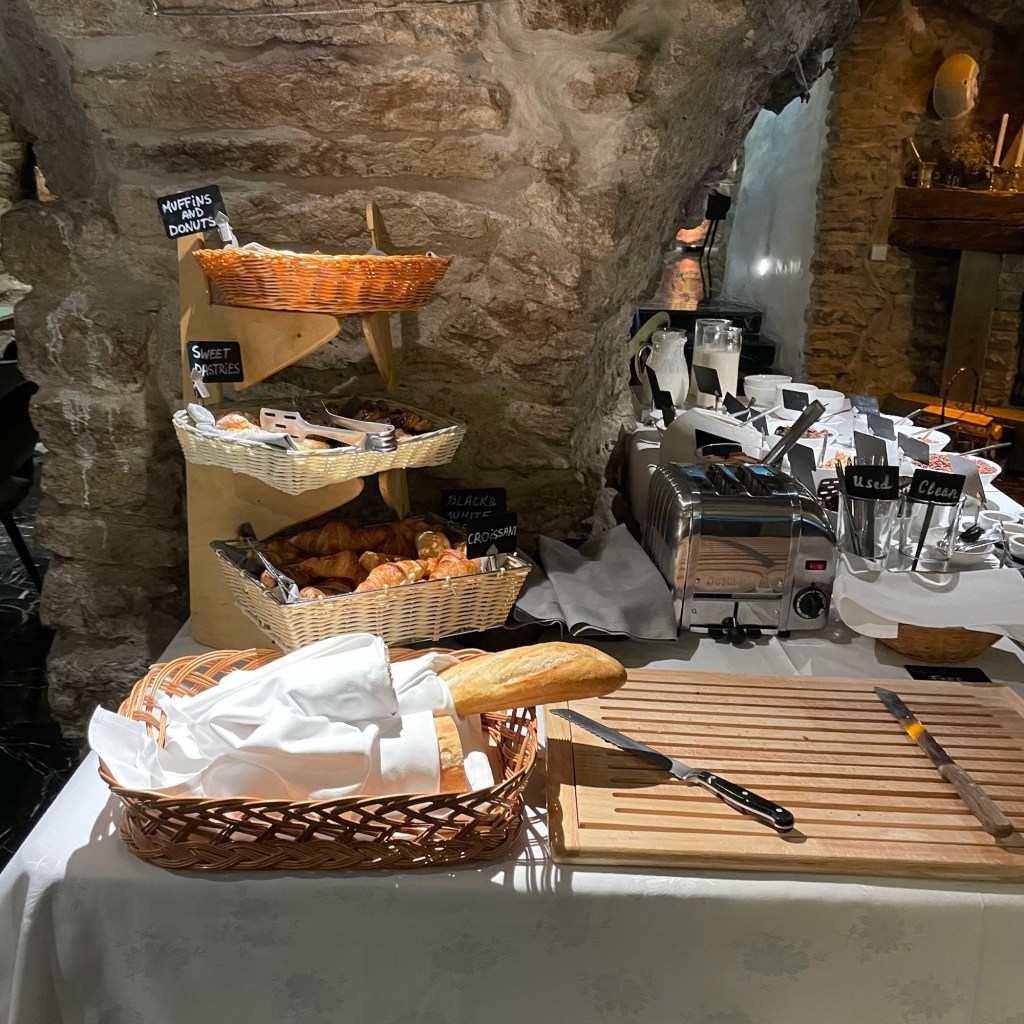
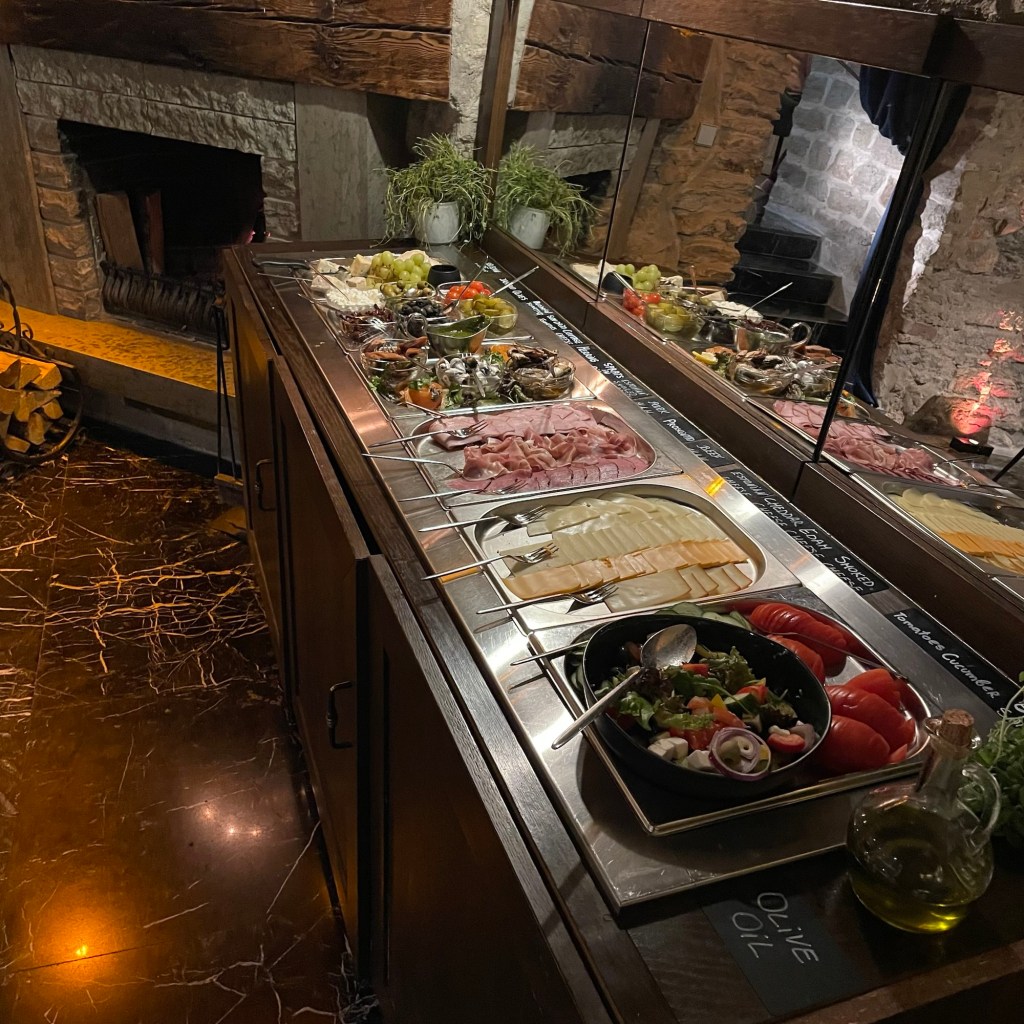
Now add a cooked breakfast on top of that, plus full buffet with meusli, nuts, fruits, granola, keefir and natural yoghurt.
I don’t even eat breakfast at home most of the time. I’m a coffee-only kinda girl for the first few hours after waking. But I wouldn’t DREAM of passing up this delightful array of goodness. It’s my favorite part of the day when traveling overseas.
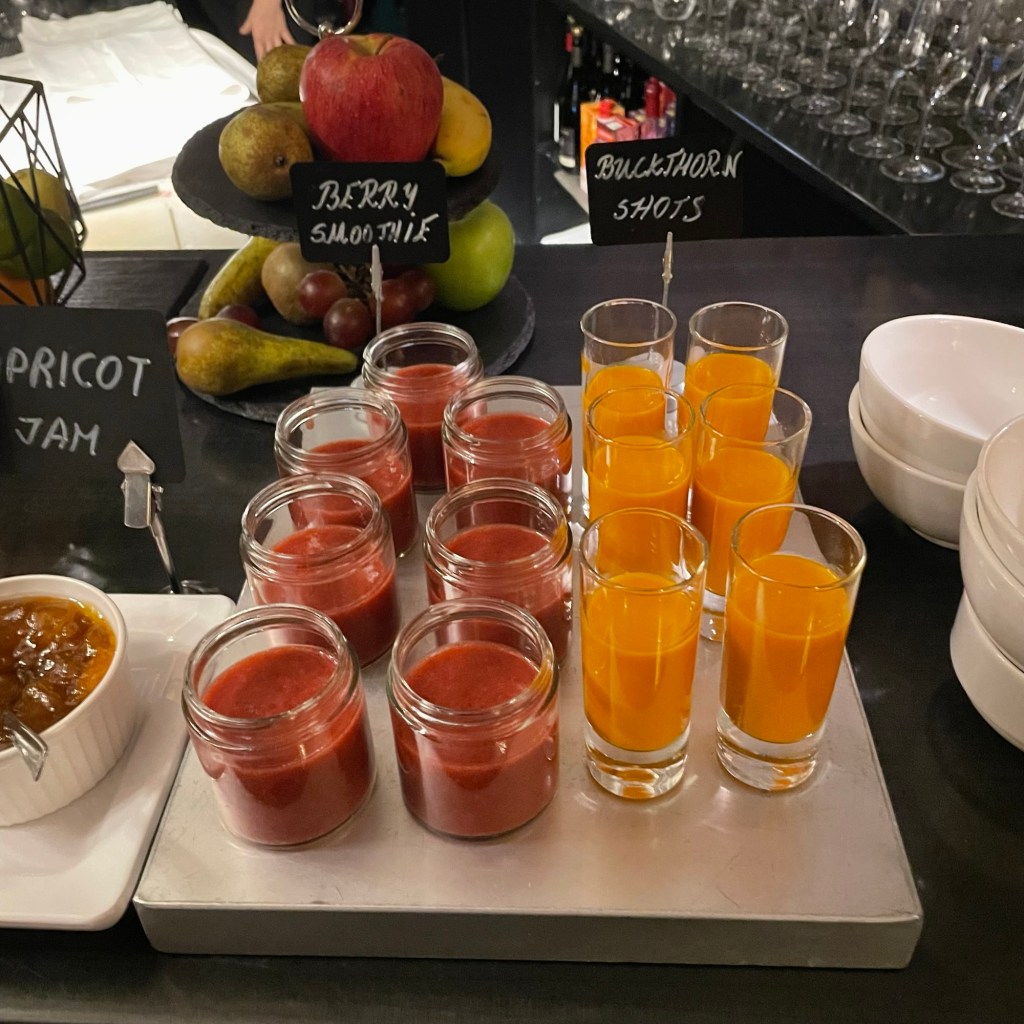
There are some Estonian specialities on offer here: buckthorn juice, a local alternative to orange/apple/grapefruit with lots of vitamins and readily available, whereas citrus can be hard to source from the Baltic. Also, you can choose an Estonian cooked breakfast which includes a cottage cheese/sour cream/caraway concoction. Also, the base grain here seems to be buckwheat. I’ve enjoyed that flavor, reminiscent of Mom’s kasha varnishka, in a few meals already. It is traditionally ground, toasted and called “kama”, then made into a drink with keefir or mixed into a mush with jam, similar to grits or blue corn atole.
(Whoops, no picture. I’ll attempt to remedy that situation over the next couple of days.)
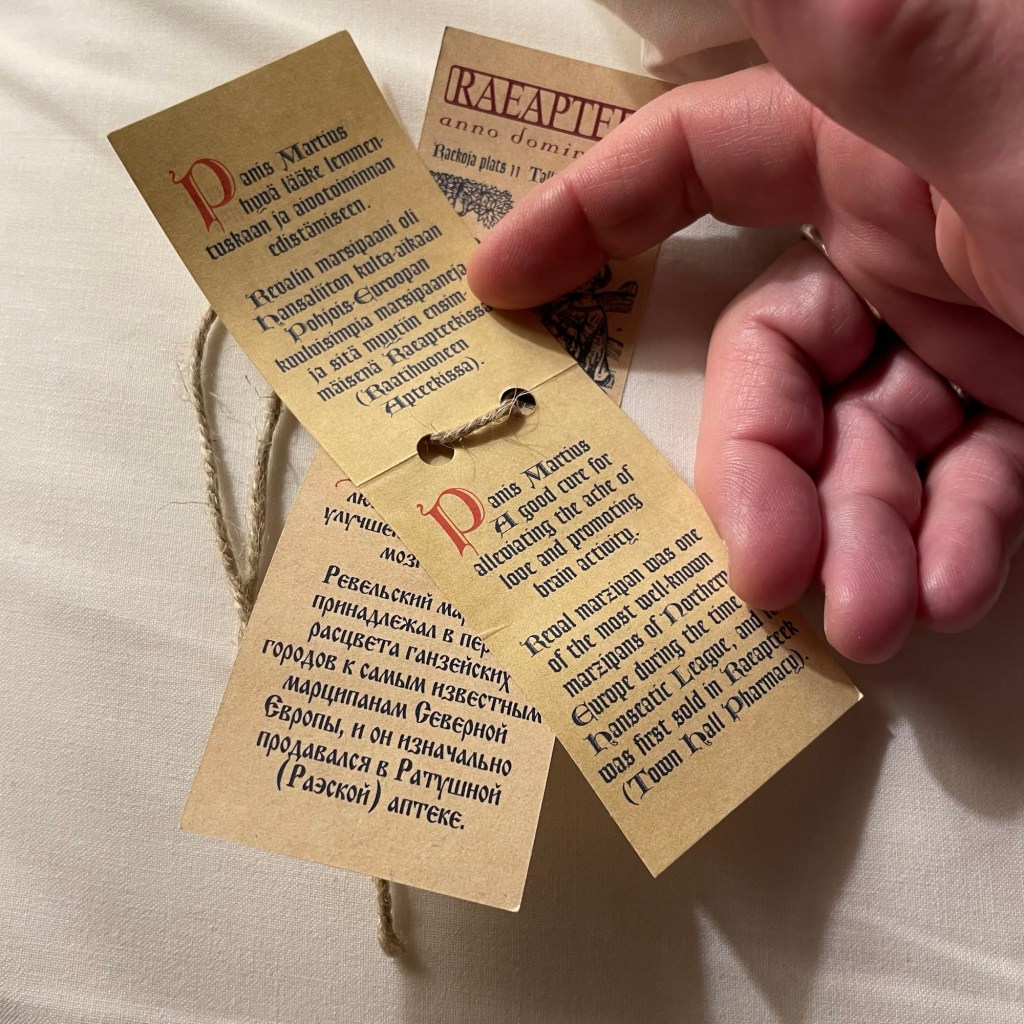
So why am I so fixated on food? Because we spent our first day on a walk through the oldest part of Tallinn hearing a bit of history but getting to know the culture with a food tour! Our guide, Paul Toots, spoke perfect but heavily accented English and led us to multiple places over four hours. From traditional to uber contemporary, we tried out all kinds of fare: homey (black bread with herring and onion, side of the ubiquitous potato salad and buckthorn juice), historic (meat and vegetable pies served alongside sausages and spiced wine at a tavern), health – related (marzipan with herbs, once the most common way of administering herbal medicine), high end chocolates (self explanatory) and kama “as your grandmother would serve it”, in keefir (like a yoghurtized milk) with jam.
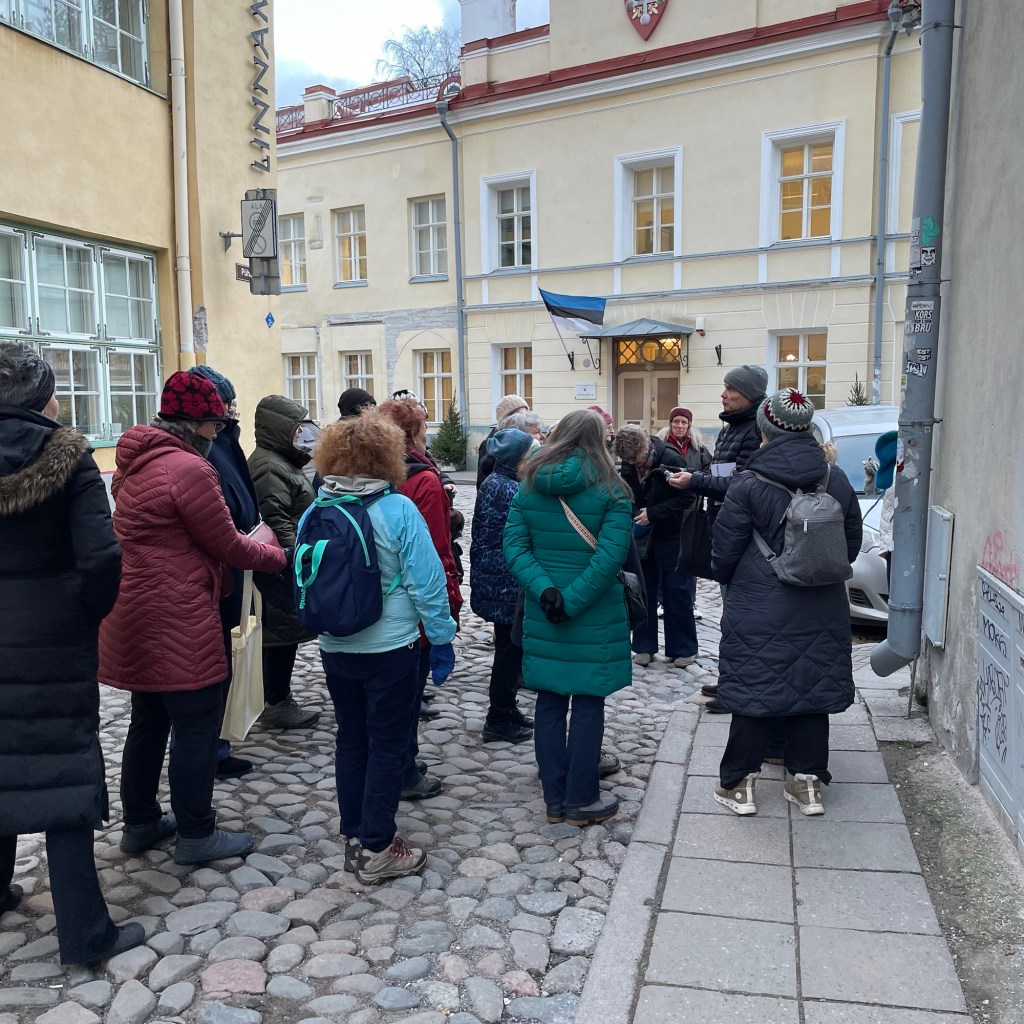
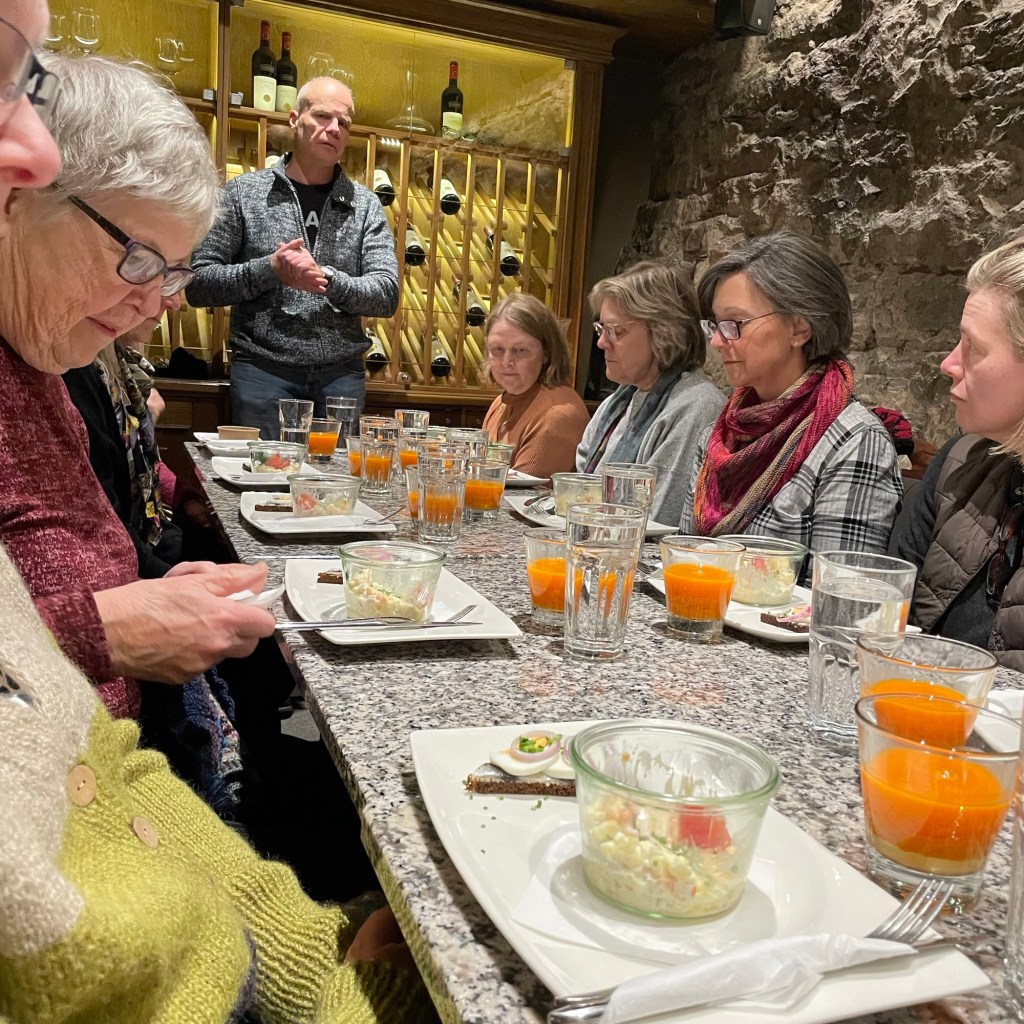

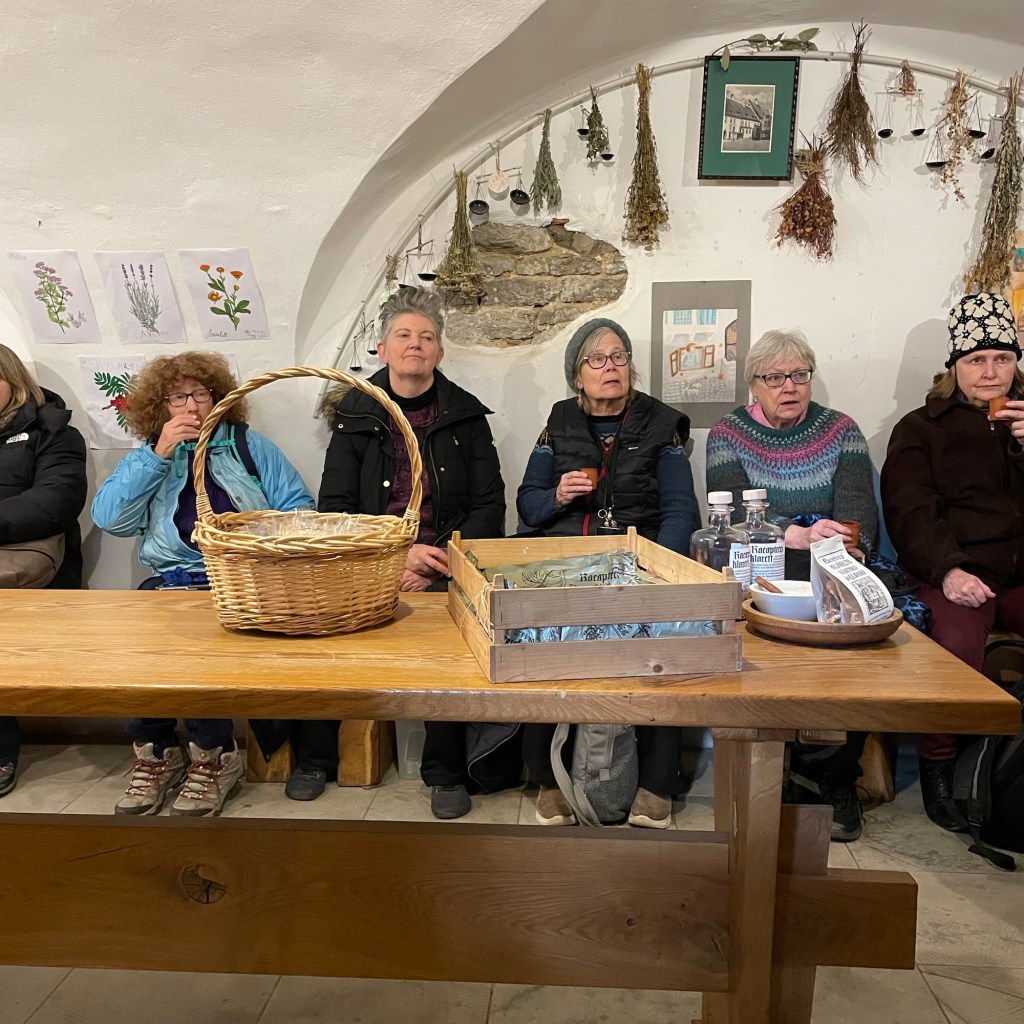
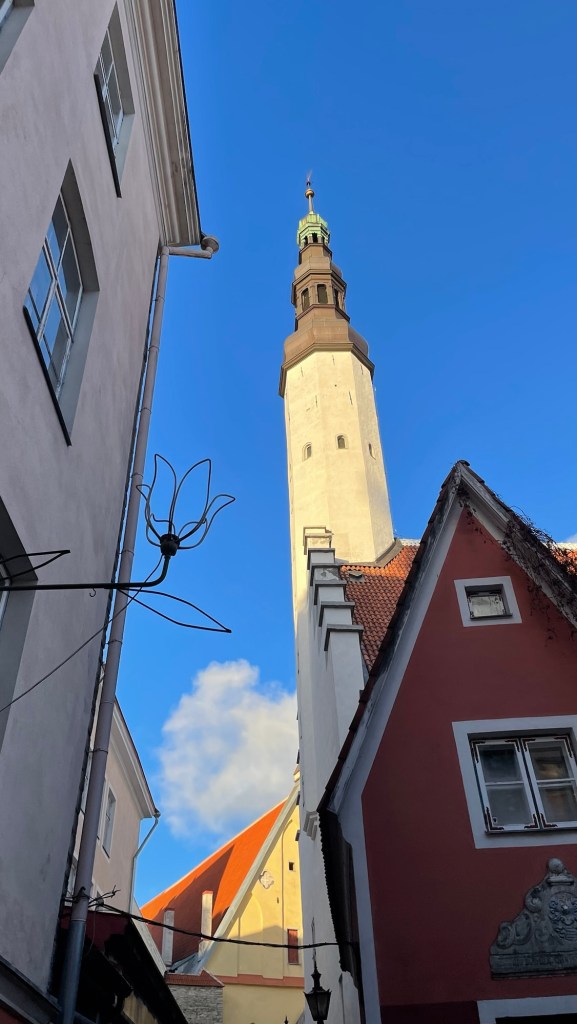
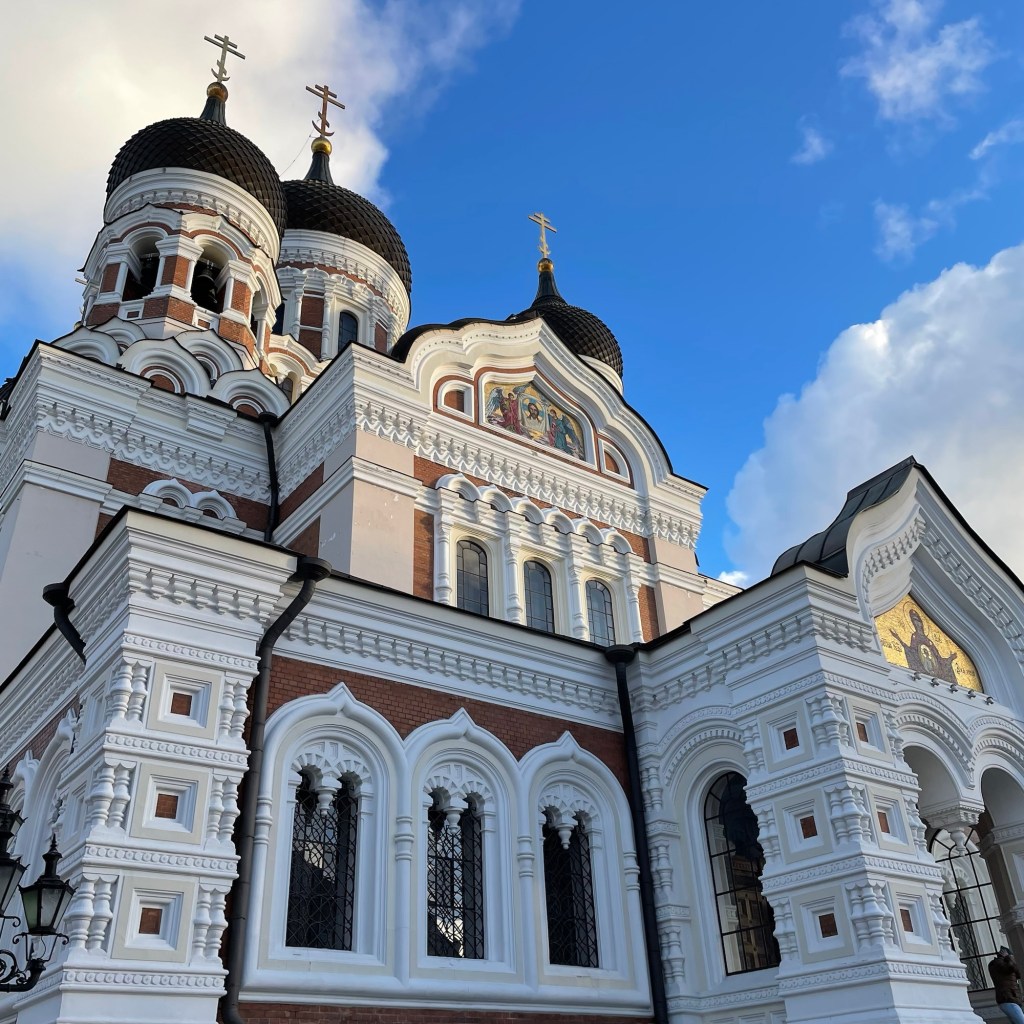
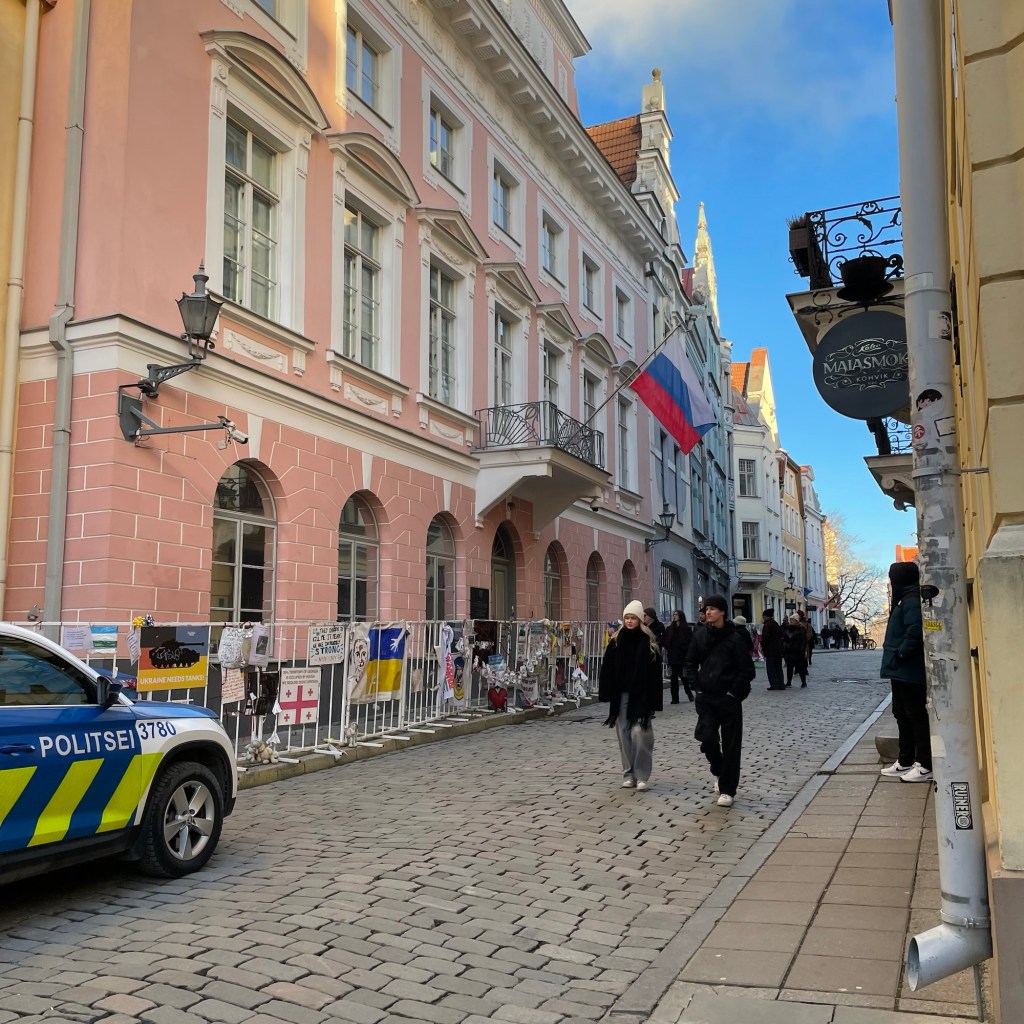
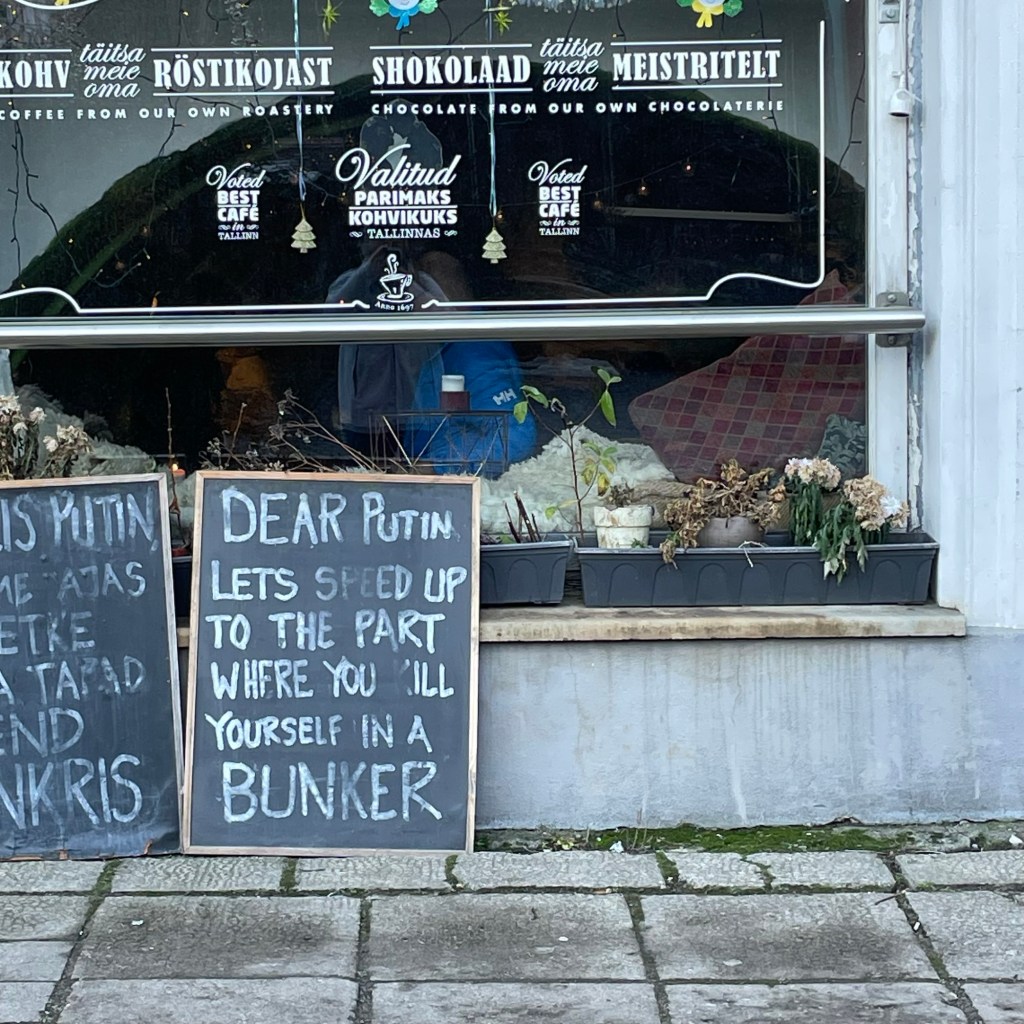



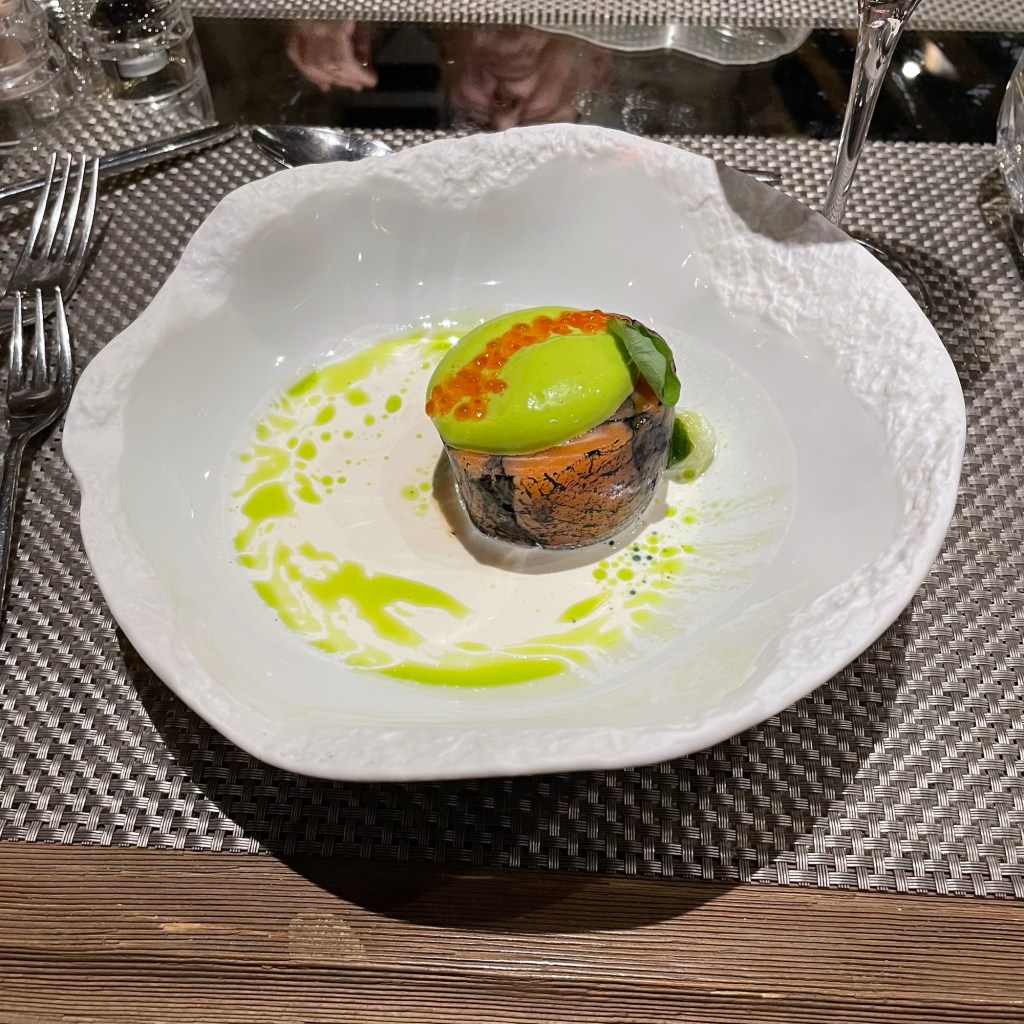
Goodness, my alarm just went off. I must get up, dressed and down to that bounteous breakfast! More to come. I leave you with a picture of a most elegant dinner we had last night. At present, because of its four season climate, proximity to the sea and healthy agrarian economy (mostly locally grown and distributed food), Estonia has become famous for its excellent cuisine. There are numbers of Michelin star rated restaurants in Tallinn – well out of relation to the country’s population (less than two million) or “importance” within the European Union. We had a taste last night, here in the hotel and on my second evening, during dinner with Sydney at a restaurant called Peet Ruut (not Michelin starred, just very fresh, good food www. peetruut.com).
Off to a new day. More about handcrafts and history later!
 Studio Briddsang
I love your travel posts. It’s good to know you’re out seeing the world again and sharing the experience here. The photos are wonderful even if they make this homebody a little envious. Take care, cousin.
LikeLike
My mouth is watering!! Sounds AMAZING!!
LikeLike
On my list now!
LikeLike
Tallinn is enticing me even more!
Language, though …. Not sure I could manage.
LikeLike